Toggle Attribution
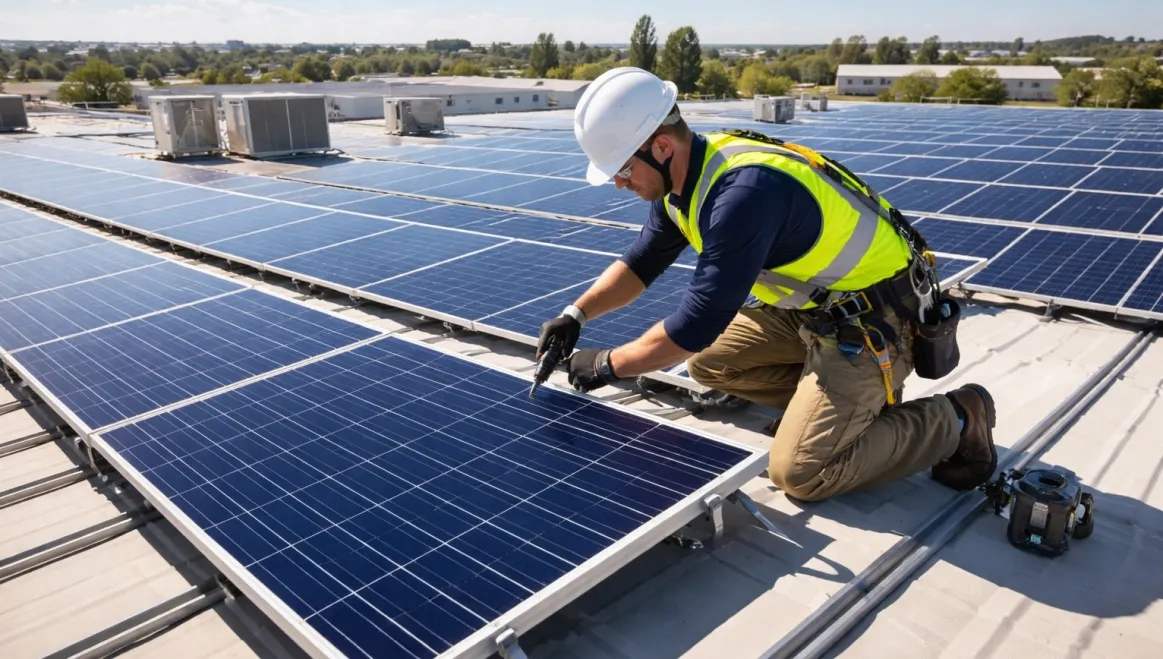
AI Generated Image
Preface
- The jump from residential to commercial solar isn't just bigger panels or 3-phase power - it's a different decision-making process.
- A misquoted or poorly planned commercial job can erase months of profit.
- Brief overview: the 5 decisions that separate confident installers from costly mistakes.
- This article assumes that you already have a system size. This is not about system sizing or selling commercial solar.
To successfully quote a commercial solar build, there are 5 critical details to capture before creating your permit or bid set.
Introduction
- The transition from residential to commercial design brings many more authorities and stakeholders to the project table.
- A thoughtful and inexpensive preliminary design will almost certainly avoid the most typical commercial pricing and timing pitfalls.
Detail #1: Structural Assessment & Racking Selection
- Roof type and age evaluation.
- Loading capacity and documentation requirements.
- Racking options by roof type: ballasted flat, mechanically attached, standing seam, carport, ground mount.
- When a structural engineer is required.
It’s absolutely required to create a full racking and roof design before quoting the install. Since the building envelope is affected by the racking design, all stakeholders should sign off on the final design. Landlord, building department, building structural engineer, and most importantly, the holder of the roofing warranty.
Detail #2: Electrical Connection Design
- Start with a single line diagram.
- Service entrance evaluation and NEC 705.12 compliance checks.
- Service upgrade and Main Panel upgrade triggers are easy to spot.
It isn’t enough to take a few pictures of the service equipment and the label. A wire diagram or a single line diagram should be completed and verified in the field before the install is even priced. Service equipment should be opened, and the connection method verified. Bus bars, breakers, and clearances for all required safety equipment should be checked.
- Detail #3: Interconnection
- Screen-level approval vs. full interconnection study.
- Pre-application submission and timing.
- Utility upgrade requirements and cost implications.
- Typical timeline ranges and project scheduling impact.
There is never an excuse for not starting the utility interconnection as early as possible. A relay system for limiting export can easily add $50k to the cost of interconnection, and no one wants to discover that it’s needed at the last minute.
- Detail #4: Permitting
- Commercial AHJ expectations vs. residential.
- Components of a commercial permit set.
- Multi-agency coordination: building, fire, utility, planning/zoning.
- Plan check cycles and timeline planning.
Commercial permitting in general takes much longer than residential. Confirm the likely timeline and requirements of all the AHJs before making any promises to property owners.
- Decision 5: Inspection & Maintainability
- Labeling, signage, and rapid shutdown compliance.
- NEC 2017/2020 requirements at commercial scale.
- Designing for O&M: combiner box placement, inverter access.
- Monitoring requirements by project type and incentive program.
Most importantly, identify the system operator who will take over responsibility of the system when it is installed. Price in any training they require, and don’t forget there may be subscription fees for software or O&M.
- Conclusion
A complete racking design and a preliminary design or bid set (site plan and wire diagram) are the best insurance for a correctly priced commercial installation. The successful installer will take the preliminary design to the project site and verify all details, then take it to the building department and verify the permitting steps and timelines. In need of design and engineering support for your next commercial project? Contact our Design Services team!