Toggle Attribution
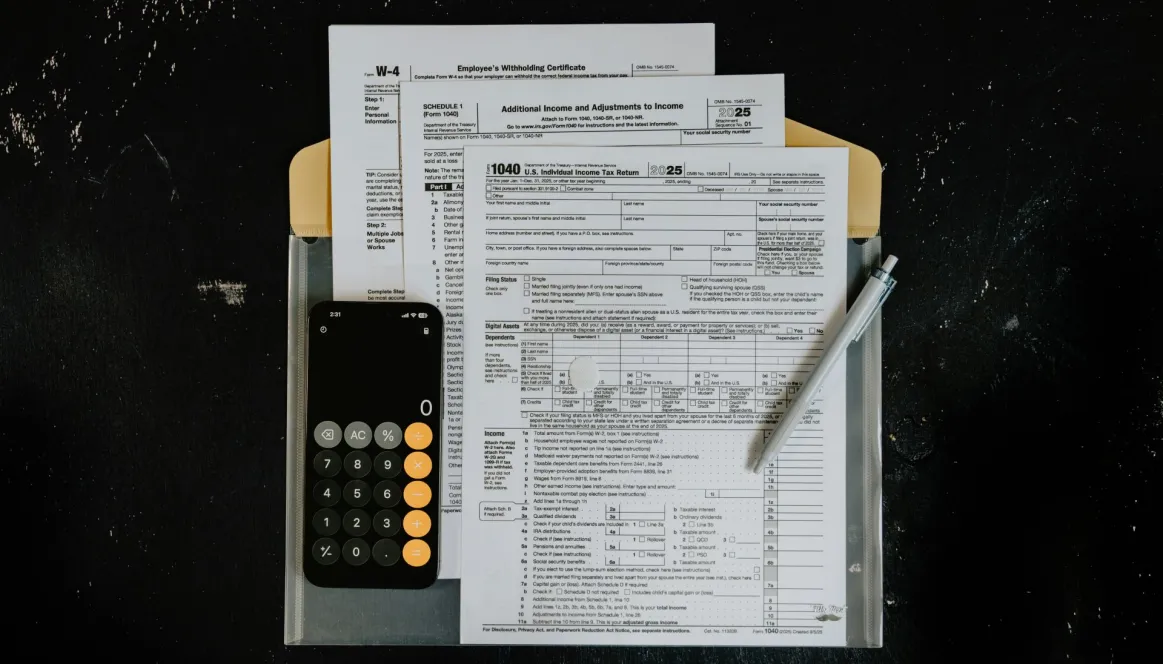
Photo by Kelly Sikkema on Unsplash
On July 4th, 2025, the One Big Beautiful Bill (OB3) was signed into law, setting in motion a chaotic eight months in the solar industry that it’s still reverberating from today. Between the passing of OB3 and New Year’s Eve night of 2025, installers hurriedly built projects to allow their cash and loan customers to take advantage of the soon-to-be expiring 25D resident Investment Tax Credit (ITC). Before the confetti could even be swept up on New Year’s Day, installers found themselves facing an uncertain future as the 30% ITC that had long been a hallmark of cash and loan deals was now just a memory.
Third Party Ownership (TPO) remains predictably strong in this new environment, thanks to the ability for TPO operators to utilize the 48E commercial ITC of 30%. Going into Q4 of ‘25, Ohm Analytics had published data that TPO represented 43% of the residential market share, with an expectation that 2026 would see that share rise to 64%. Early into ‘26, it sure feels like this figure was under forecasted, as inventory designated for cash and loan projects is collecting dust in distribution centers across the country. Consumers are gravitating towards financial products that allow them to take advantage of the 48E ITC plus additional benefits such as domestic content (10% tax credit) and energy community (10% tax credit) adders. The solar industry is resilient if nothing else. Lenders such as Greentech’s Concert Finance didn’t have to reinvent the wheel to salvage 57% of the residential market. Rather, they dusted off an excellent product from the past.
In the early 2010s, we saw the creation of "prepaid leases”, a lease where customers would make one single large upfront payment in lieu of 25 years of monthly payments. This enabled homeowners to capture federal and local incentives, such as the ITC and state incentives like SRECs, immediately rather than over time. The finance company added these benefits to homeowner pricing, giving them a very significant discount compared to cash or loan customers. So prepaid lease customers paid far less out of pocket when compared to even cash customers. This is what attracted one homeowner, David Sugrue, to enter a prepaid lease with Spruce Finance in 2015. Sugrue is an insider, a longtime executive in the residential sector with Spruce and Sunnova.
“The prepaid lease significantly reduced my out-of-pocket expenses while also shedding any regulatory risk associated with tax credits and state incentives. I’ll take a dollar in the hand today over one in a future where solar incentives are constantly in flux,” he explained. Not long after Sugrue elected for the prepaid lease on his home, interest rates plummeted, resulting in solar loans with APRs as low as 0.99%. With cheap capital readily available, finance companies shied away from the complex financial engineering behind monetizing tax credits and depreciation. Loans were simply easier to administer, and finance companies opted for the easier path, meaning that prepaid products vanished.
Fast forward to today, and market conditions are ripe for prepaids to make a successful comeback. Greentech Renewables recently revealed Propel, a prepaid TPO offering that takes advantage of the 48E ITC, along with domestic content and energy community adders that will allow homeowners to enjoy discounts of 25%-40% compared to a cash purchase. Unlike prepaid leases of the past, Greentech provides financing in the form of a Concert loan for homeowners who want to take advantage of these benefits but don’t want to shell out thousands of dollars out of pocket. OB3 ushered in a new, familiar era in the maturing solar industry. One where homeowners still have attractive options to control their energy futures. Let our Greentech Finance Solutions team guide you through the financial complexities of your next project. Contact us to get started!